
What Is Regenerative Coffee? Part One
-Sam Knowlton
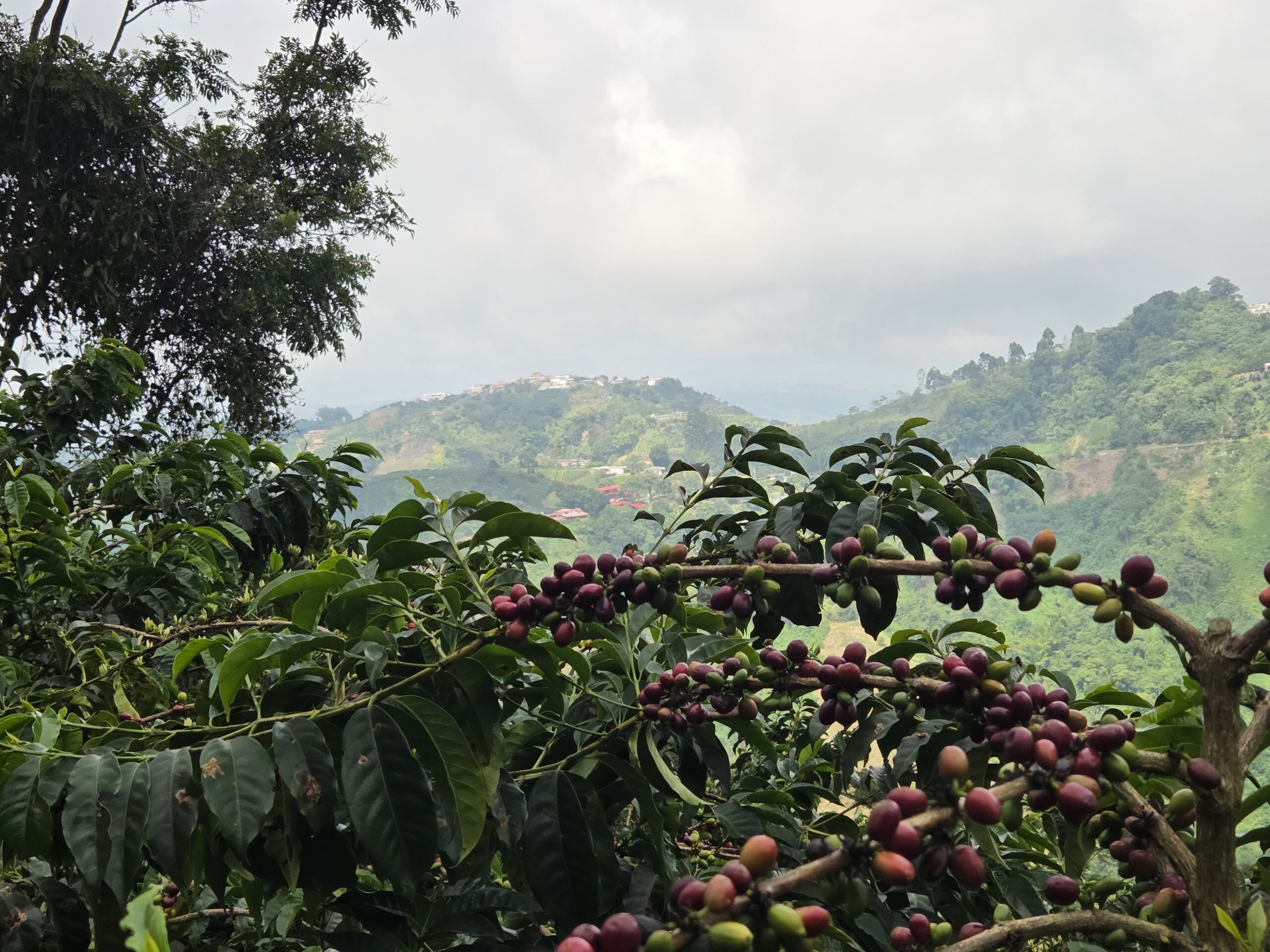
The global coffee industry encompasses 12.5 million farming families cultivating over 11 million hectares across more than 70 countries, generating an economy valued at $452 billion. Yet this vast enterprise faces an existential threat: climate projections suggest that up to 50% of current coffee-growing land will become unsuitable for cultivation by 2050. Simultaneously, the conventional production methods that have dominated recent decades are actively undermining the ecological and social systems upon which the industry depends.
The intensification of coffee production over the past several decades has followed a familiar pattern. Seeking higher short-term yields, the industry has embraced sun-grown monocultures supported by synthetic fertilizers, herbicides, and fungicides. This approach has cleared over 2.5 million acres of forest in Central America alone while trapping farmers in dependency cycles. Research indicates that up to 64% of applied synthetic nitrogen is lost through leaching and volatilization, with only about 25% actually assimilated by coffee plants. Meanwhile, an estimated 44% of smallholder coffee farmers live at or below the poverty line. The current production system extracts value from landscapes and communities while progressively degrading the very resources it requires.
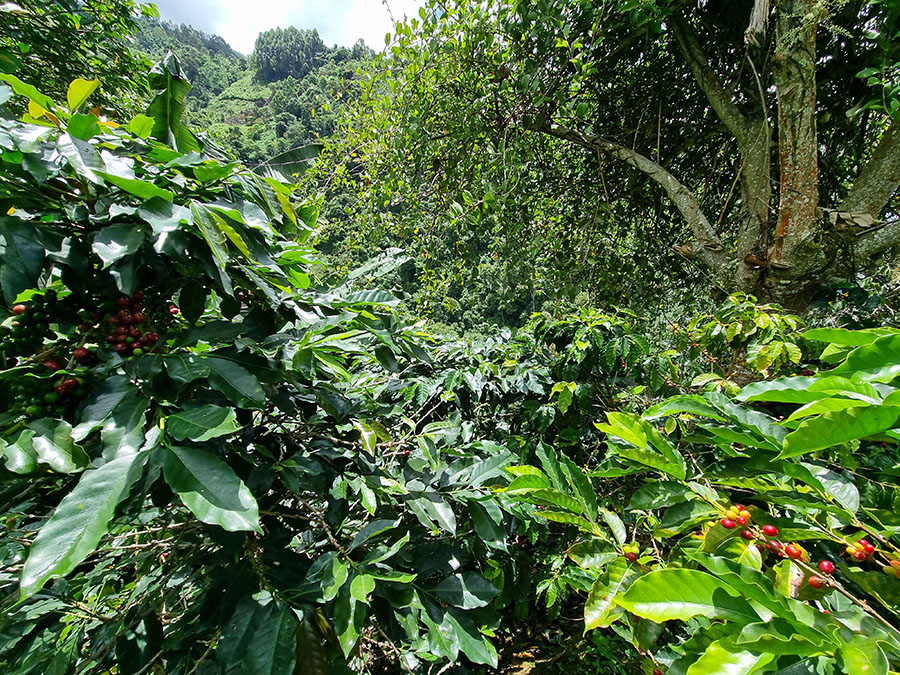
Regenerative coffee represents a much needed departure from this extractive model. Rather than viewing farms as production units requiring external inputs to overcome inherent deficiencies, regenerative coffee recognizes farms as living, interconnected systems with unique potential. This distinction is crucial: regenerative approaches operate through guiding principles that adapt to each farm’s ecological signature, whereas conventional methods prescribe standardized techniques regardless of context.
The regenerative framework explicitly transcends sustainability’s threshold of damage mitigation. Where sustainable approaches seek to maintain current conditions or reduce harm, regenerative systems actively catalyze positive trajectories in ecosystem function. This means not just preserving soil structure but actively developing its biological complexity and carbon sequestration potential. It involves not simply conserving existing biodiversity but deliberately creating functional relationships between species that amplify natural processes.
This means not just preserving soil structure but actively developing its biological complexity and carbon sequestration potential. It involves not simply conserving existing biodiversity but deliberately creating functional relationships between species that amplify natural processes.”
At its foundation, regenerative coffee cultivation embodies five core principles:
• Cultivating soil as a living ecosystem
• Optimizing photosynthetic capacity through temporal and spatial integration
• Transitioning from chemical intervention to biological system integration
• Leveraging functional biodiversity as ecological infrastructure
• Integrating economic, ecological, and social systems in reciprocal relationships.
These principles provide systematic direction while allowing for contextual expression—a coffee farm in Ethiopia will implement these principles differently than one in Colombia or Indonesia, yet both can achieve regenerative outcomes.
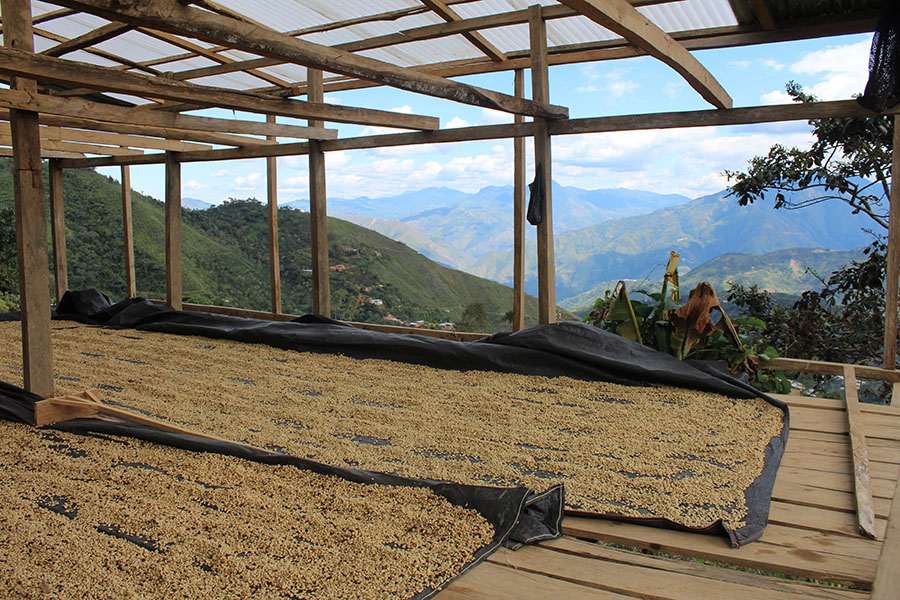
This principle-based approach recognizes that coffee agroecosystems demonstrate emergent properties—characteristics that cannot be predicted by analyzing individual components in isolation. The interconnections between soil microbiology, plant physiology, pollinator dynamics, and human stewardship collectively generate a living matrix whose resilience depends on relationship integrity rather than input optimization.
The evidence demonstrates that regenerative approaches can maintain or improve yields while reducing input costs by approximately 40%, improving climate resilience, enhancing bean quality, and restoring ecosystem functions. When implemented effectively, farmers face no tradeoff between ecological health and profitability—the system’s enhanced functionality delivers both simultaneously.
As climate uncertainty intensifies and conventional models face mounting challenges, regenerative coffee offers a viable pathway not just for sustaining the industry but for actively improving the ecological and social systems in which it operates. The transformation from extractive to regenerative coffee production represents not merely an environmental preference but an economic imperative for ensuring coffee’s future.